
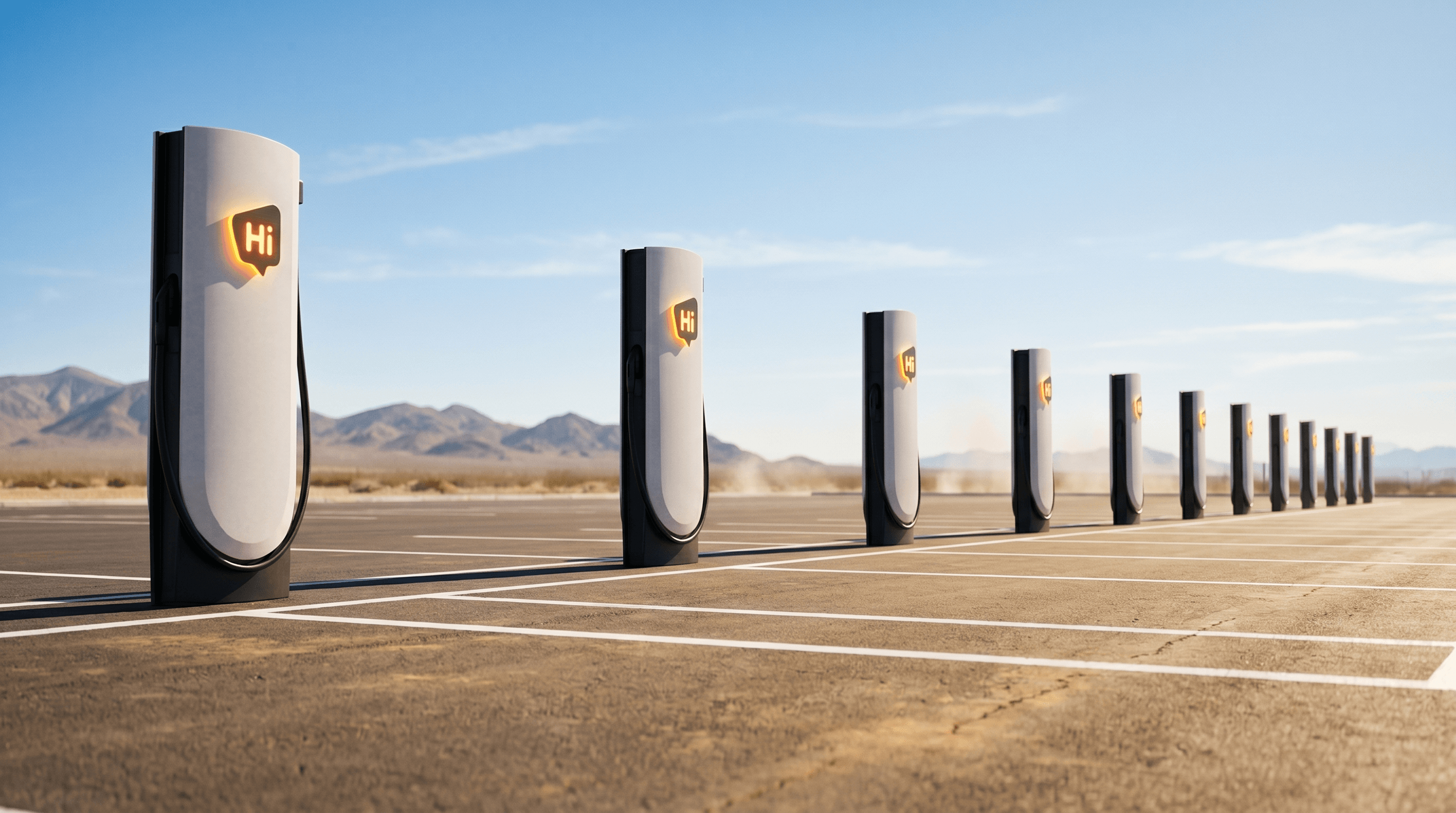
The Unstoppable Shift.
EV infrastructure is the defining buildout of our era. The numbers are staggering — and the window to act is now.
Infrastructure Demand.
The US currently has ~70,000 DC fast-charging ports. NREL estimates 182,000 are needed by 2030 — meaning 112,000 new ports must be built in under 4 years. Meanwhile, America has 1.5 million gas pumps. EV infrastructure is in its infancy.
HiON’s target: 4,000 ports. That’s 3.6% of the total market need. We don’t need to win the whole market. We need to claim our share before someone else does.
New car sales that are EVs today
Projected EV share of new sales within a decade
EVs on US roads by 2030
Impact of political cycles on existing EVs that need charging
Growth Is Durable.
Let’s address the elephant in the room. Regardless of who holds political office, millions of EVs already on the road still require charging. The transition isn’t driven by policy — it’s driven by the marketplace.
Tesla is building for 2035 performance targets, not political cycles. EV adoption in North America now represents 11–27% of new vehicle sales. 50% penetration is projected within a decade. The demand curve is steep, inexorable, and already underway.
This isn’t a land grab. It’s a capacity grab. And the window to act is measured in months, not years.
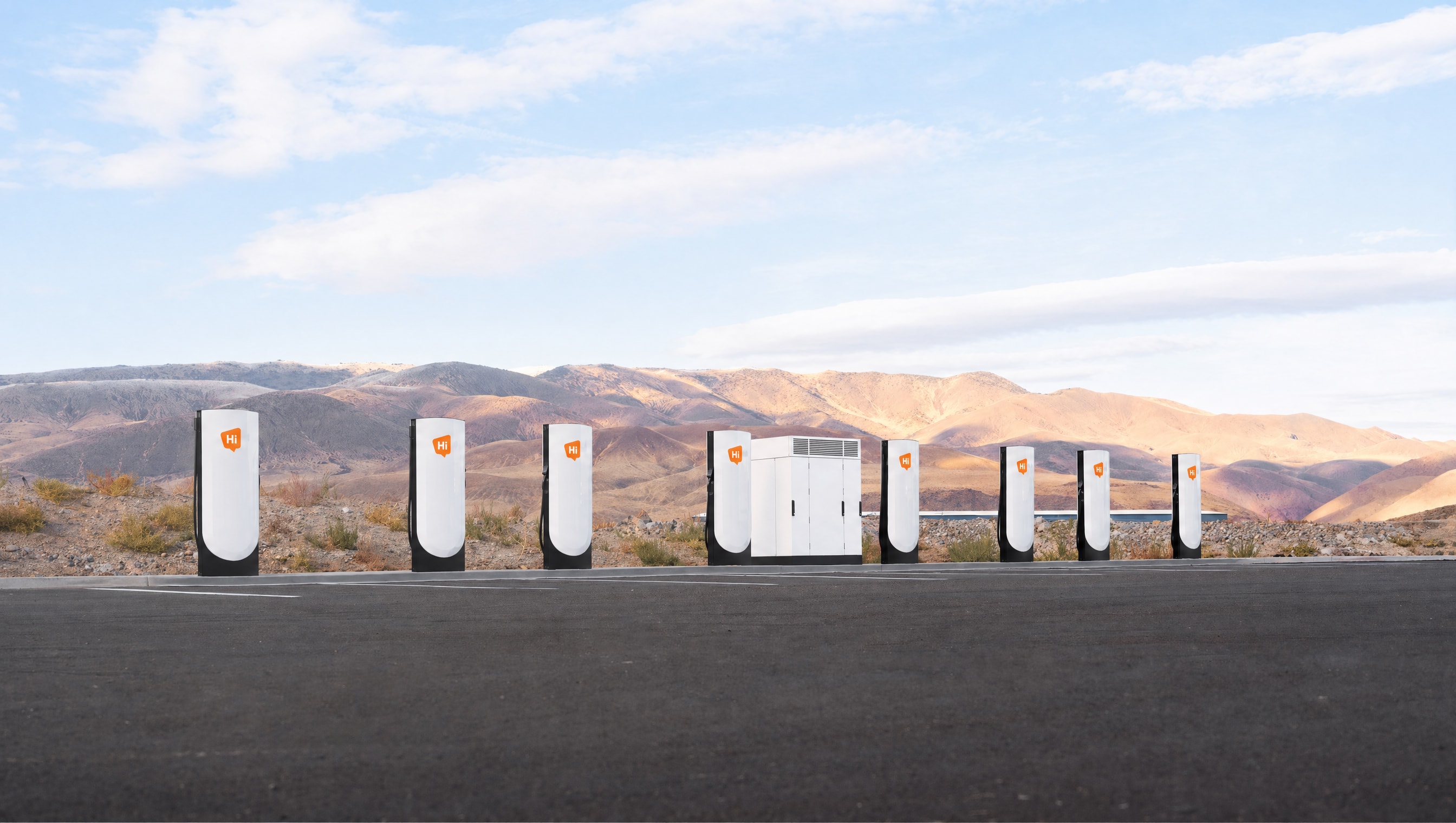
Tesla’s Dominance.
The rest of the market is fragmented. Tesla is not.
The NACS Game-Changer.
The North American Charging Standard (NACS) means ALL modern EVs — Ford, GM, Rivian, BMW, Lucid, and more — can now charge at Tesla Superchargers. Your site doesn’t just serve Tesla drivers. It serves the entire EV ecosystem.
The Magic Dock feature provides an integrated CCS1 adapter for older-standard vehicles, ensuring maximum compatibility and maximum revenue capture from day one.
The Capacity Moat.
When you secure utility infrastructure for a site, you reserve grid capacity that competitors can’t easily replicate. This creates a structural, durable moat around high-value locations.
Grid Reservation
Utility infrastructure claims can't be duplicated at the same address.
Location Lock
Prime highway exits and arterials have finite charging-friendly parcels.
First-Mover Value
Early operators capture the best sites. Late movers accept inferior locations.
This isn’t a land grab. It’s a capacity grab.
The Gas Station Parallel.

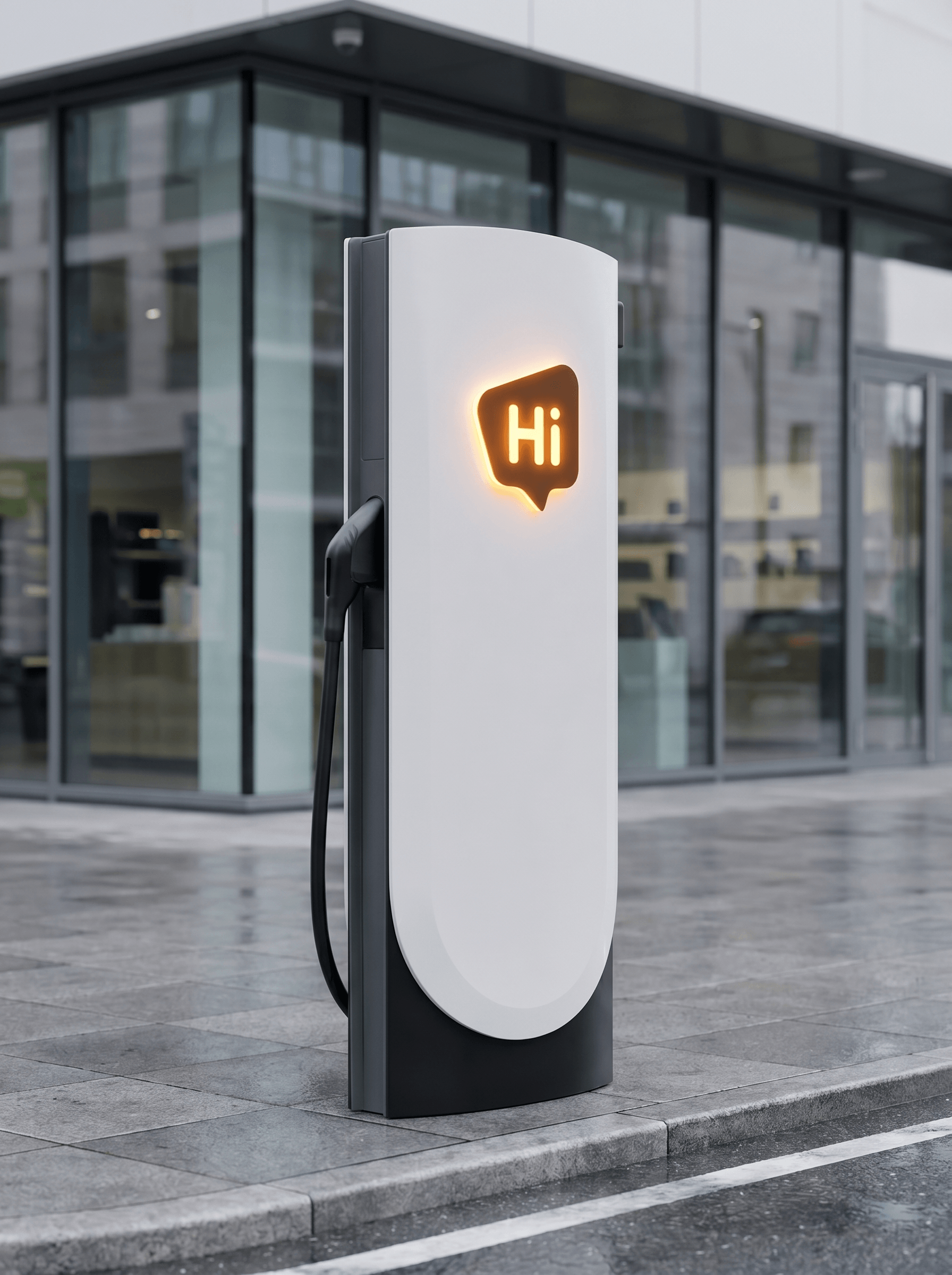
In 1905, a pharmacist in Pittsburgh set up the first dedicated gas station. Within 20 years, gasoline service stations transformed America. Those early operators captured decades of recurring revenue.
Today, we have 1.5 million gas pumps and 70,000 DC fast-charge ports. The buildout hasn’t started. The biggest infrastructure opportunity of the 21st century is building the replacement fueling network — and HiON is opening the door to own it.
Gas pumps in the US today
DC fast-charge ports today
Ports needed by 2030 (NREL)
HiON target (3.6% of market)
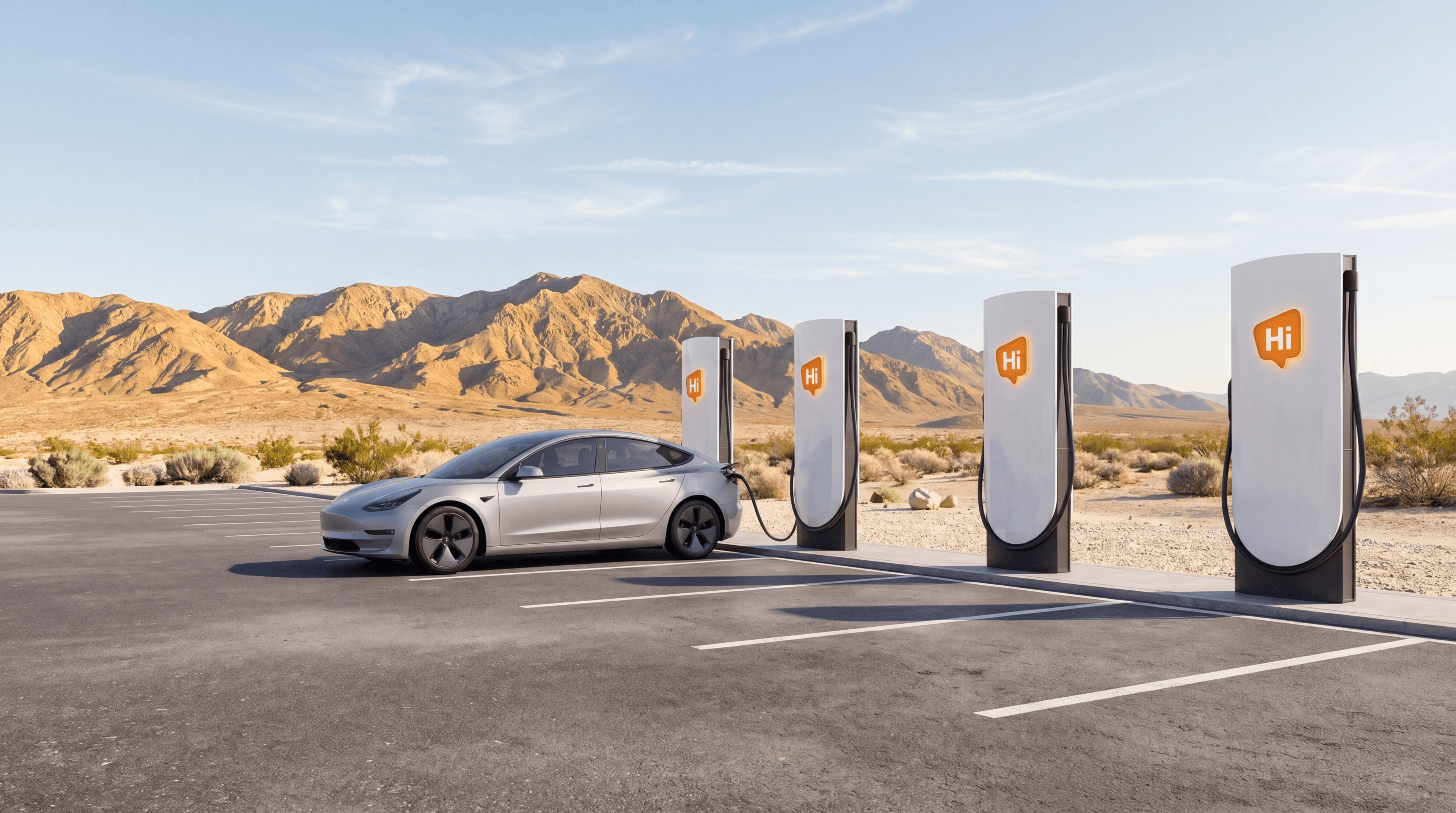
The data makes the case. The timing seals it.
Now is the time to act. HiON provides the structure, the network access, and the systems to build at scale.